Why Soil Testing Should Always Come First for a Healthier Lawn
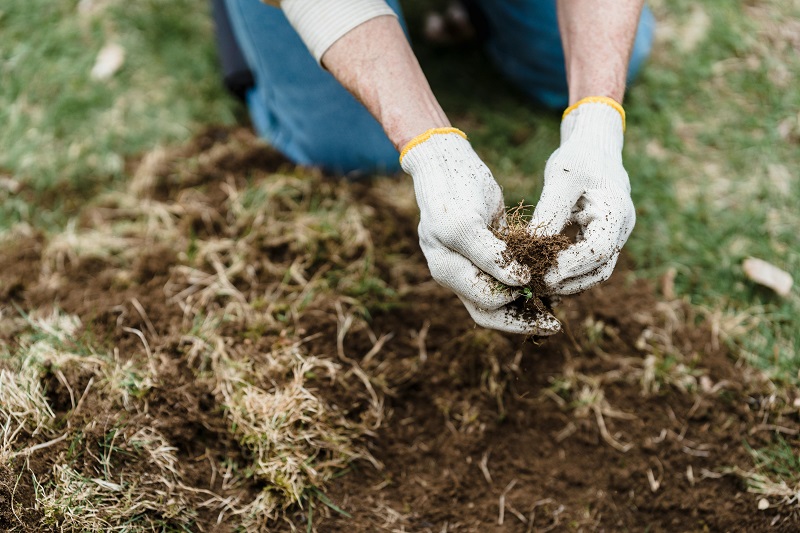
A lush, green lawn does not begin with fertilizer, grass seed, or a full Saturday spent treating the yard. It begins with understanding what is happening beneath the surface. That is exactly why soil testing should be the very first step in any lawn care plan.
Many homeowners jump straight into fixing lawn problems without knowing the real cause. If the grass looks pale, they add fertilizer. If it seems dry, they increase watering. If weeds appear, they assume weeds are the problem. In many cases, the real issue starts in the soil itself. Soil testing removes the guesswork and replaces it with clear, useful information. Instead of making random changes, you can create a lawn-care strategy based on what your yard actually needs.
When you understand your soil, every decision becomes smarter, more effective, and more affordable. That is what makes soil testing such an important first step.
What soil testing actually reveals
Soil testing gives you a detailed look at the health and condition of your lawn’s soil. A standard soil test can measure pH levels, nutrient availability, and sometimes organic matter or other important soil characteristics. Those numbers may sound technical, but they directly affect how your grass grows.
Healthy grass depends on healthy soil conditions. Even the best fertilizer cannot perform properly if the soil is out of balance. For example, if the pH level is too acidic or too alkaline, grass roots may struggle to absorb nutrients correctly. That means your lawn could still look weak or discolored even after fertilizing.
A soil test can also uncover nutrient deficiencies involving nitrogen, phosphorus, or potassium, which are all essential for strong growth and vibrant color. Without enough nutrients, grass may become thin, patchy, or slow to recover from stress. By identifying these hidden issues early, soil testing helps you solve problems before they become more serious and expensive to fix.
Why soil testing should happen before fertilizing
One of the biggest reasons soil testing matters is because it tells you exactly what your lawn needs before you start applying products. Fertilizing without testing is often little more than educated guessing. You may use the wrong fertilizer, apply too much, or focus on a problem that is not even related to nutrients.
That can lead to wasted money, wasted time, and disappointing results.
For instance, if your soil already contains enough phosphorus, adding more will not improve the lawn. In some situations, excess phosphorus can even contribute to environmental runoff problems. On the other hand, if the soil pH is the real issue, fertilizer alone will never fully solve the problem. Your lawn may actually need lime or another soil amendment to create the right growing conditions.
Soil testing gives you accurate information so every treatment has a purpose. Instead of hoping something works, you can make decisions based on real evidence. That approach leads to healthier grass and far more consistent results over time.
The long-term benefits of healthier soil
A good soil test does much more than help with one season of lawn care. It creates the foundation for long-term lawn success.
When you know your soil conditions, you can choose fertilizers that match your lawn’s exact needs rather than relying on generic products. You can also correct pH imbalances that may be preventing nutrients from reaching the roots. Over time, these adjustments help build stronger soil that supports healthier grass naturally.
The results become visible in several ways. Grass develops deeper roots, richer color, and thicker turf coverage. A healthier lawn also becomes more resilient against everyday stress. Heat, drought, heavy foot traffic, and weed pressure become easier for the grass to handle because the roots are stronger and the soil is healthier.
That resilience is one of the biggest advantages of proper soil management. Instead of constantly reacting to lawn problems, you create conditions that help prevent many of those problems from appearing in the first place.
Common lawn-care mistakes homeowners make
Many lawn issues can be traced back to skipping soil testing altogether. One of the most common mistakes homeowners make is treating the lawn based only on appearance. While yellow grass or weak growth may suggest nutrient deficiency, those symptoms can also point to completely different issues.
Compacted soil, poor drainage, inconsistent watering, and improper pH levels can all create similar symptoms. Without testing, it is difficult to know which issue is actually affecting the lawn.
Another frequent mistake is overfertilizing. It is easy to assume that more fertilizer will produce greener grass faster, but too much fertilizer can actually damage the lawn. Excess nutrients may encourage rapid growth that is weak and unhealthy. Overfertilizing can also increase the risk of runoff and environmental problems.
Some homeowners also forget to retest their soil after making adjustments. Retesting is important because it helps confirm whether your changes are improving the soil conditions or if additional corrections are still needed. Lawn care works best when it is treated as an ongoing process rather than a one-time fix.
The best times to test your soil
For most lawns in the United States, testing the soil every two to three years is a smart general guideline. However, some situations may call for more frequent testing.
If you are installing a new lawn, renovating damaged areas, or dealing with recurring lawn problems, testing sooner can save a lot of frustration later. Fall and early spring are often ideal times for soil testing because the results can help guide seasonal lawn treatments.
There are also certain warning signs that should not be ignored. Bare patches, yellowing grass, stubborn weeds, poor growth, or thinning turf despite regular maintenance often point to underlying soil problems. In those cases, soil testing can help identify the issue before it spreads further across the lawn.
The earlier you understand what is happening underground, the easier it becomes to correct the problem and restore healthy growth.
Turning soil test results into action
The true value of soil testing comes from how you use the results afterward. Once you know your lawn’s nutrient levels and pH balance, you can create a care plan that directly matches the conditions in your yard.
That may involve applying lime to raise the pH, adjusting fertilizer applications, improving drainage, aerating compacted soil, or changing watering habits. Every lawn is different, which is why personalized information is so valuable.
The goal is not simply to make the grass look greener for a short period of time. The real goal is to improve the soil itself so it can support healthy growth year after year. When the soil becomes healthier, lawn care becomes easier, more efficient, and more predictable.
Instead of constantly chasing problems, you build a stronger foundation that naturally supports better grass growth.
A smarter approach to lawn care
Soil testing is one of the easiest and most effective ways to improve lawn care while avoiding unnecessary expenses and wasted effort. It gives you a reliable starting point, and that starting point makes all the difference.
Rather than relying on trial and error, you can make decisions using real data about your lawn’s condition. That means better product choices, more effective treatments, and healthier results over time.
A beautiful lawn is not created by luck. It is built through understanding, consistency, and proper care from the ground up. That is why soil testing deserves a place at the beginning of every lawn-care routine.
If your goal is a greener, thicker, and more resilient lawn that continues to improve season after season, start with the soil first. Everything else works better when the foundation underneath is healthy.
This post is generated by Chatgpt.