Seasonal Lawn Maintenance: What You Need to Know

Maintaining a healthy and vibrant lawn requires ongoing care and attention throughout the year. Each season brings unique challenges and opportunities for lawn maintenance. By understanding the specific needs of your lawn during different seasons, you can implement effective maintenance practices to ensure its vitality. In this article, we will explore the essentials of seasonal lawn maintenance, providing you with valuable tips and guidelines to keep your lawn in optimal condition year-round.
Spring Lawn Maintenance
As winter fades away, spring brings the perfect opportunity to rejuvenate your lawn after the dormancy period. Here are some essential spring lawn maintenance tasks:
1. Clean-Up: Begin by removing debris, such as fallen leaves, branches, and other debris that may have accumulated during the winter.
2. Raking and Dethatching: Rake the lawn to remove dead grass, thatch, and other debris. This process helps improve air circulation and allows sunlight and nutrients to reach the soil.
3. Aeration: If your lawn suffers from soil compaction, consider aerating the soil using a lawn aerator or by manually creating holes. Aeration enhances water and nutrient penetration, promoting healthy root development.
4. Seeding and Overseeding: Fill in bare spots and promote a denser lawn by overseeding with appropriate grass seed. Choose high-quality seed that suits your region and grass type.
5. Fertilization: Apply a balanced slow-release fertilizer to provide essential nutrients for your lawn’s growth and development.
Summer Lawn Maintenance
Summer brings warmer temperatures and increased stress on your lawn. To keep your lawn healthy and lush during this season, consider the following maintenance tasks:
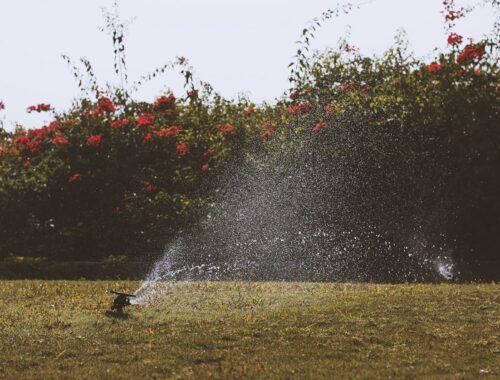
1. Watering: Water deeply and infrequently to encourage deep root growth. Water in the early morning to minimize water loss due to evaporation.
2. Mowing: Set your mower blades to a higher height during the summer to promote shade and retain moisture in the soil. Avoid cutting more than one-third of the grass blade’s height at a time.
3. Weed Control: Stay vigilant in controlling weeds by manually removing them or using appropriate herbicides. Be cautious when applying herbicides during hot weather to avoid damaging your lawn.
4. Pest Management: Monitor for pests, such as grubs or chinch bugs, and take appropriate measures to control infestations. Integrated Pest Management (IPM) practices are effective in managing pests while minimizing environmental impact.
Autumn Lawn Maintenance
Autumn presents an opportunity to prepare your lawn for the upcoming winter and ensure its health in the following spring. Consider the following maintenance tasks for the fall season:
1. Raking and Leaf Removal: Regularly rake fallen leaves and remove them from your lawn to prevent suffocation and disease development.
2. Aeration and Overseeding: Fall is an ideal time for core aeration to relieve compaction and overseeding to fill in thin or bare spots in your lawn.
3. Fertilization: Apply a slow-release fertilizer specifically formulated for fall use. This helps strengthen the root system and prepares the lawn for the dormant winter months.
4. Weed Control: Control weeds in the fall to prevent them from taking hold and spreading in the following seasons. Apply pre-emergent herbicides to prevent weed seeds from germinating.
Winter Lawn Maintenance
While winter brings dormancy to your lawn, some maintenance tasks can help protect it and ensure a successful spring revival:
1. Clear Debris: Remove any debris that may accumulate on your lawn during the winter, such as fallen branches or objects that could smother the grass.
2. Snow Removal: Shovel or use a snowblower to clear snow from your lawn. Avoid piling excessive snow on the grass, as it can lead to compaction and disease issues.
3. Avoid Foot Traffic: Minimize foot traffic on your dormant lawn, as it can cause damage to the grass.
4. Plan for Spring: Take advantage of the winter months to plan and prepare for spring maintenance tasks, such as soil testing, purchasing seeds, or scheduling aeration and fertilization.
While taking care of your lawn is essential, it’s also a good time to think about your overall home maintenance checklist. Tasks like checking smoke detectors, sealing windows, or ensuring that all exterior doors are secure play a role in protecting your property. If you’ve recently moved or haven’t changed your locks in years, hiring a trusted residential locksmith can help ensure your home’s safety and peace of mind year-round.
Seasonal lawn maintenance plays a crucial role in maintaining the health and beauty of your lawn throughout the year. By adapting your maintenance practices to the specific needs of each season, you can optimize the growth and vitality of your lawn. From spring clean-up and aeration to summer watering and weed control, autumn overseeding, and winter protection, consistent and appropriate care will ensure a lush and vibrant lawn year-round. Implement these essential seasonal maintenance practices to enjoy a healthy and beautiful lawn that becomes the envy of the neighborhood.
Generated by ChatGPT