10 Eco-Friendly Lawn Care Tips for a Greener, Low-Maintenance Yard
Meta Description: Discover 10 eco-friendly lawn care tips that help U.S. homeowners create a greener, healthier, and lower-maintenance yard. Save water, reduce chemicals, and spend less time working on your lawn.
TL;DR: Want a Greener Lawn With Less Work?
If you’re looking for the fastest way to create a healthier, eco-friendly lawn, start with these simple changes:
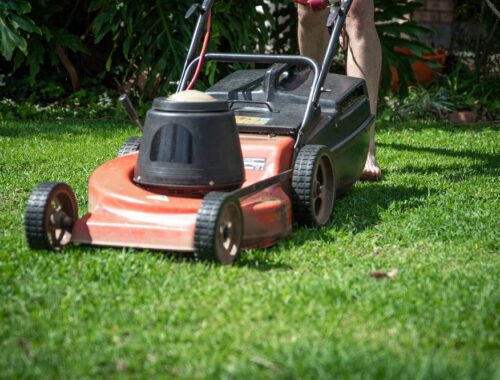
- Raise your mowing height to about 3 inches.
- Water deeply and only when needed, aiming for about 1 inch per week.
- Leave grass clippings on the lawn to naturally feed the soil.
- Replace some turf with native plants or drought-tolerant groundcovers.
- Use compost and organic fertilizers to build healthier soil.
- Spot-treat weeds instead of spraying the entire lawn.
- Upgrade irrigation systems to improve water efficiency.
These small adjustments can reduce maintenance, save money, and help your lawn thrive with fewer resources.
A Beautiful Lawn Doesn’t Have to Cost the Earth
Many homeowners assume that a lush, green lawn requires constant watering, regular fertilizer applications, and endless weekend maintenance. The good news is that creating an attractive yard does not have to mean wasting water, relying heavily on chemicals, or spending every Saturday behind a mower.
Eco-friendly lawn care focuses on working with nature instead of against it. By making a few smart changes, you can build a lawn that stays healthier, requires less maintenance, and supports local ecosystems at the same time.
Whether you’re just getting started or looking to fine-tune your lawn care routine, these practical tips can help you create a greener yard with less effort.
1. Raise Your Mowing Height for Stronger Grass
One of the simplest ways to improve lawn health is to mow a little higher.
Taller grass blades provide shade for the soil, helping it stay cooler and retain moisture. Higher mowing also encourages deeper root systems, making grass more resilient during hot weather and dry spells. As an added bonus, thicker grass naturally crowds out many common weeds.
For most cool-season grasses, a mowing height of around 3 inches works well. Warm-season grasses generally perform best between 2.5 and 3 inches, depending on the variety.
For example:
- Kentucky bluegrass thrives at about 3 inches.
- Tall fescue performs well at 3 inches or slightly higher.
- Bermuda grass typically prefers a slightly shorter cut.
Quick Action Steps
- Adjust your mower deck to the proper height.
- Sharpen mower blades at least once per year.
- Follow the one-third rule and never remove more than one-third of the grass blade in a single mowing.
Goal: Maintain a mowing height of approximately 3 inches whenever possible.
2. Replace High-Maintenance Turf With Native Groundcovers
Not every part of your yard needs traditional turfgrass.
Replacing sections of lawn with native plants, clover, buffalo grass, or regional sedges can dramatically reduce mowing, watering, and fertilizing requirements. These alternatives often thrive with fewer inputs and provide valuable habitat for pollinators.
Many homeowners start by converting difficult areas such as slopes, narrow side yards, or spaces beneath trees where grass struggles to grow.
Even a modest lawn reduction can create noticeable maintenance savings throughout the year.
Quick Action Steps
- Research plants that are native to your region.
- Prepare the soil before planting.
- Install new groundcovers during spring or fall for best results.
Goal: Replace 10% to 20% of your turf area to reduce maintenance and water use.
3. Water Deeply and Less Frequently
Many lawns suffer from frequent, shallow watering.
While it may seem helpful, light daily watering encourages roots to stay near the surface. As a result, grass becomes more vulnerable to heat and drought stress.
Instead, focus on deep watering sessions that encourage roots to grow farther into the soil. Most lawns need about 1 inch of water per week, including rainfall.
Early morning is typically the best time to water because cooler temperatures reduce evaporation and allow moisture to soak into the ground.
A simple tuna can or rain gauge can help you measure how much water your sprinkler system is actually delivering.
Quick Action Steps
- Water early in the morning.
- Measure sprinkler output using a catch can.
- Adjust watering schedules after rainfall.
Goal: Deliver approximately 1 inch of water per week.
4. Fertilize Based on Soil Needs, Not Guesswork
One of the biggest mistakes homeowners make is fertilizing on a fixed schedule without understanding what their lawn actually needs.
A soil test can reveal nutrient levels and pH, helping you apply the right products in the right amounts. This approach saves money while preventing unnecessary fertilizer runoff.
Slow-release organic fertilizers are often excellent choices because they feed the lawn gradually and support long-term soil health.
In many regions:
- Cool-season grasses benefit most from fall fertilization.
- Warm-season grasses typically respond best to late-spring applications.
Quick Action Steps
- Request a soil test through your local extension office.
- Follow recommended nutrient rates.
- Choose slow-release fertilizer products whenever possible.
Goal: Stay within extension-recommended nutrient guidelines, often less than 3 pounds of nitrogen per 1,000 square feet annually.
5. Leave Grass Clippings on the Lawn
Here’s an easy lawn care upgrade that takes less work, not more.
Instead of bagging grass clippings after every mowing session, leave them on the lawn. This practice, often called grasscycling, allows clippings to break down naturally and return nutrients to the soil.
Those small clippings decompose quickly and can provide a meaningful source of nitrogen throughout the growing season.
Not only does grasscycling reduce waste, but it can also decrease fertilizer needs over time.
Quick Action Steps
- Mow regularly so clippings remain short.
- Use a mulching blade when possible.
- Avoid leaving clippings only when disease issues are present.
Goal: Reduce synthetic fertilizer use by up to 25% through grasscycling.
6. Build Better Soil With Compost
Healthy lawns begin below the surface.
Adding a thin layer of compost each year improves soil structure, increases water retention, and supports beneficial microbial activity. Better soil creates stronger grass, which naturally requires fewer inputs and recovers more quickly from stress.
A light topdressing is all that’s needed. Applying too much can smother grass, so moderation is important.
Quick Action Steps
- Purchase screened, high-quality compost.
- Spread a thin layer across the lawn.
- Lightly water after application.
Goal: Apply 1/8 to 1/4 inch of compost annually.
7. Use Smart Weed and Pest Control Strategies
When weeds or pests appear, it can be tempting to treat the entire lawn. In most cases, that’s unnecessary.
A better approach is to identify the problem and address only affected areas. This strategy, known as Integrated Pest Management (IPM), helps reduce chemical use while preserving beneficial insects and soil organisms.
Many weed issues can be managed through manual removal, spot treatments, or preventive practices that improve turf density.
The healthier your lawn becomes, the fewer weed and pest problems you’ll generally encounter.
Quick Action Steps
- Correctly identify weeds and pests before treating.
- Use the least-toxic solution available.
- Keep records of recurring trouble spots.
Goal: Treat only affected areas rather than the entire lawn.
8. Upgrade Your Irrigation System
If your sprinkler system is outdated, it could be wasting more water than you realize.
Smart irrigation controllers automatically adjust watering schedules based on weather conditions, helping prevent overwatering. Drip irrigation systems can also improve efficiency in landscape beds and garden areas.
Regular inspections are equally important. Leaks, clogged nozzles, broken sprinkler heads, and overspray onto sidewalks all contribute to unnecessary water loss.
Quick Action Steps
- Install a smart irrigation controller.
- Inspect irrigation equipment monthly.
- Replace damaged or inefficient sprinkler heads.
Goal: Reduce outdoor water use by 20% or more.
9. Add Native Plant Borders for Beauty and Biodiversity
A lawn can be both beautiful and environmentally beneficial.
Native shrubs, wildflowers, and trees planted around lawn edges create habitat for birds, butterflies, bees, and other beneficial wildlife. They also reduce the total amount of turf that requires mowing and watering.
These border plantings add color, texture, and seasonal interest while making the landscape more resilient.
For best results, select species suited to your local climate and USDA hardiness zone.
Quick Action Steps
- Plan planting beds around lawn edges.
- Choose regionally appropriate native species.
- Group plants with similar water needs together.
Goal: Convert 10% to 15% of lawn borders into native plantings.
10. Choose Grass That Fits Your Climate
One of the smartest eco-friendly lawn care decisions happens before you plant anything.
Grass varieties that are naturally adapted to your region require less watering, fertilizing, and maintenance throughout the year.
For example:
Cool-Season Regions
- Tall fescue
- Kentucky bluegrass
- Perennial ryegrass
Warm-Season Regions
- Bermudagrass
- Zoysiagrass
- St. Augustinegrass
Choosing the right grass from the start can dramatically reduce long-term lawn care demands.
Quick Action Steps
- Identify your growing zone.
- Research recommended grass varieties.
- Seed or sod during the proper season.
Goal: Select lower-input grass varieties recommended for your region.
Final Thoughts
Creating a greener lawn does not require a complete landscape makeover. In fact, the biggest improvements often come from small, consistent changes.
Raising your mowing height, watering more efficiently, leaving grass clippings behind, and adding native plants can make a noticeable difference in both lawn health and maintenance requirements.
Pick just one of these eco-friendly lawn care tips and try it this week. Measure your sprinkler output, apply compost, or adjust your mower height. You may be surprised at how quickly a few simple changes lead to a healthier, more sustainable yard that looks great and requires less work.
This post is generated by Chatgpt.